
2026 5th International Conference on Intelligent Systems, Communications and Computer Networks (ISCCN 2026) Concludes Successfully
From April 24 to 26, 2026,2026 5th International Conference on Intelligent Systems, Communications and Computer Networks (ISCCN 2026) was successfully held in Xinxiang, Henan, China, and came to a successful close. The conference was hosted by Henan Normal University; organized by the Henan Computer Federation and the ACM Zhengzhou Chapter; co-organized by Beijing University of Posts and Telecommunications, Henan University of Science and Technology, Zhengzhou University of Aeronautics, Henan Institute of Science and Technology, Henan University of Engineering, and Hebei University of Engineering; and technically supported by Aisckylab. The event brought together renowned scholars, industry experts, and young researchers from China, the United States, South Korea, Australia, the United Kingdom, and other countries and regions for in-depth academic exchange and discussion of the latest achievements in intelligent systems, communication networks, computer technologies, and other frontier fields.
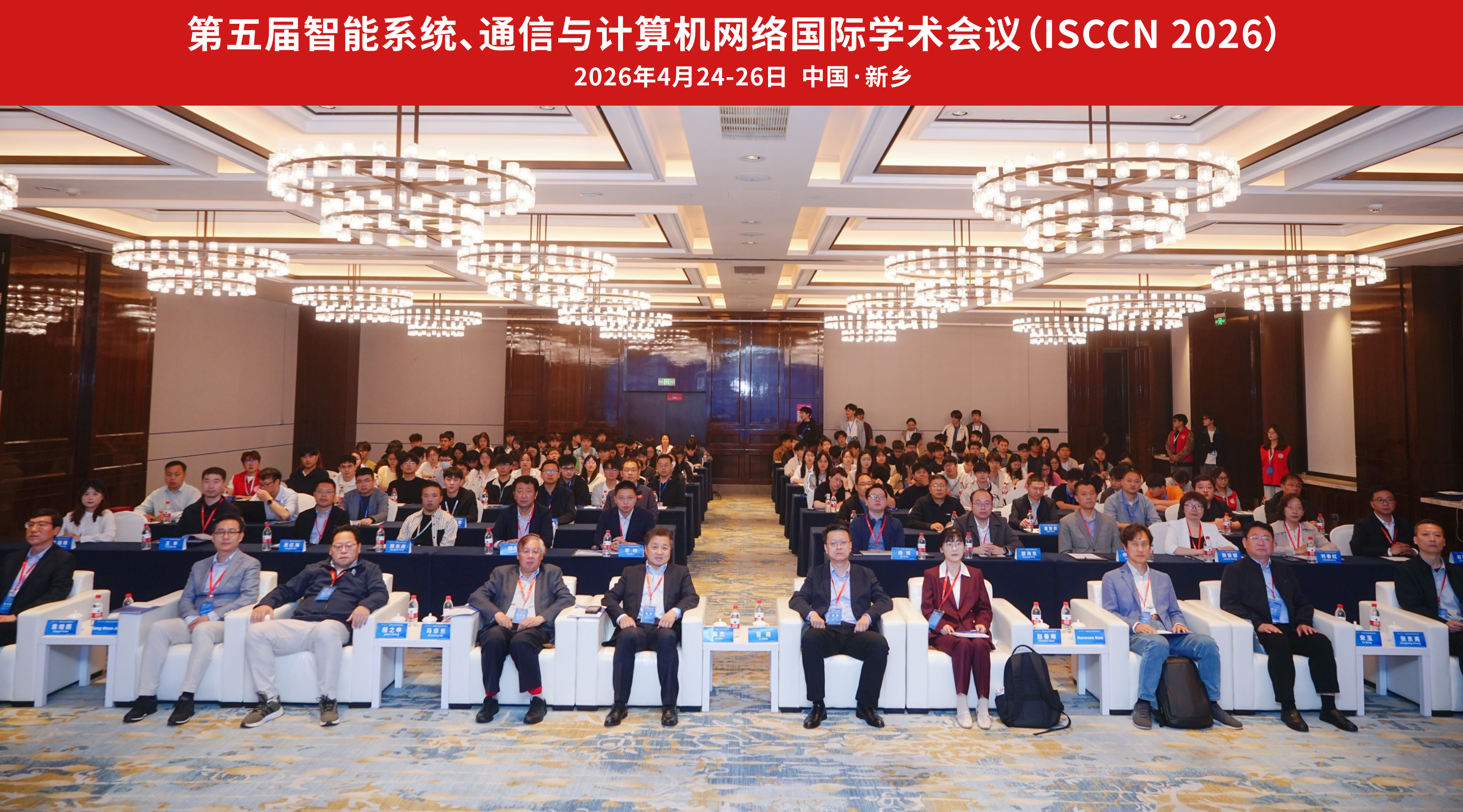
On the morning of April 25, the opening ceremony was hosted by Zhang Dongliang, Secretary of the School of Computer and Information Engineering (School of Artificial Intelligence), Henan Normal University. Professor Miao Yu, Standing Committee Member of the Party Committee and Vice President of Henan Normal University, and Professor Song Yu, Vice Chairman of the Henan Computer Federation, delivered welcome addresses in succession. They extended a warm welcome to all guests, affirmed the conference’s important value in promoting academic innovation, industry-academia-research integration, and international cooperation in the fields of intelligent systems and communication networks, and wished the conference great success. Professor Yuan Peiyan, Dean of the School of Computer and Information Engineering (School of Artificial Intelligence), Henan Normal University, gave a detailed introduction to ISCCN 2026. This was followed by a group photo of all participants, formally launching the keynote speech session.
 |  |  |
The keynote session featured many leading figures, with top scholars from China and abroad delivering cutting-edge keynote speeches and sharing the latest research progress and breakthrough achievements in the field. Professor Wu Jie of Temple University, USA (Academician of the European Academy of Sciences, IEEE Fellow), Professor Ma Huadong of Beijing University of Posts and Telecommunications (Chairman of the ACM China Council, IEEE Fellow), Professor Cheng Zhishen of The University of the Greater Bay Area (Academician of the Canadian Academy of Engineering, IEEE Fellow), Professor Yu Shui of the University of Technology Sydney, Australia (IEEE Fellow), Professor Zhao Chunhui of Zhejiang University / East China Jiaotong University, Professors Haewoon Nam and Sang-Woon Jeon of Hanyang University, South Korea, and Professor Simon Parkinson of the University of Huddersfield, UK, gave a wonderful presentations on frontier topics such as data center network scheduling, terahertz wireless sensing, ultraviolet non-line-of-sight positioning, mathematical artificial intelligence, industrial time-series intent understanding, autonomous driving style transfer, trajectory optimization computing, and learning models for network security events. Their talks combined theoretical depth with practical value, and the atmosphere for discussion was lively and engaging.
 |  |  |
 |  |  |
 |  |
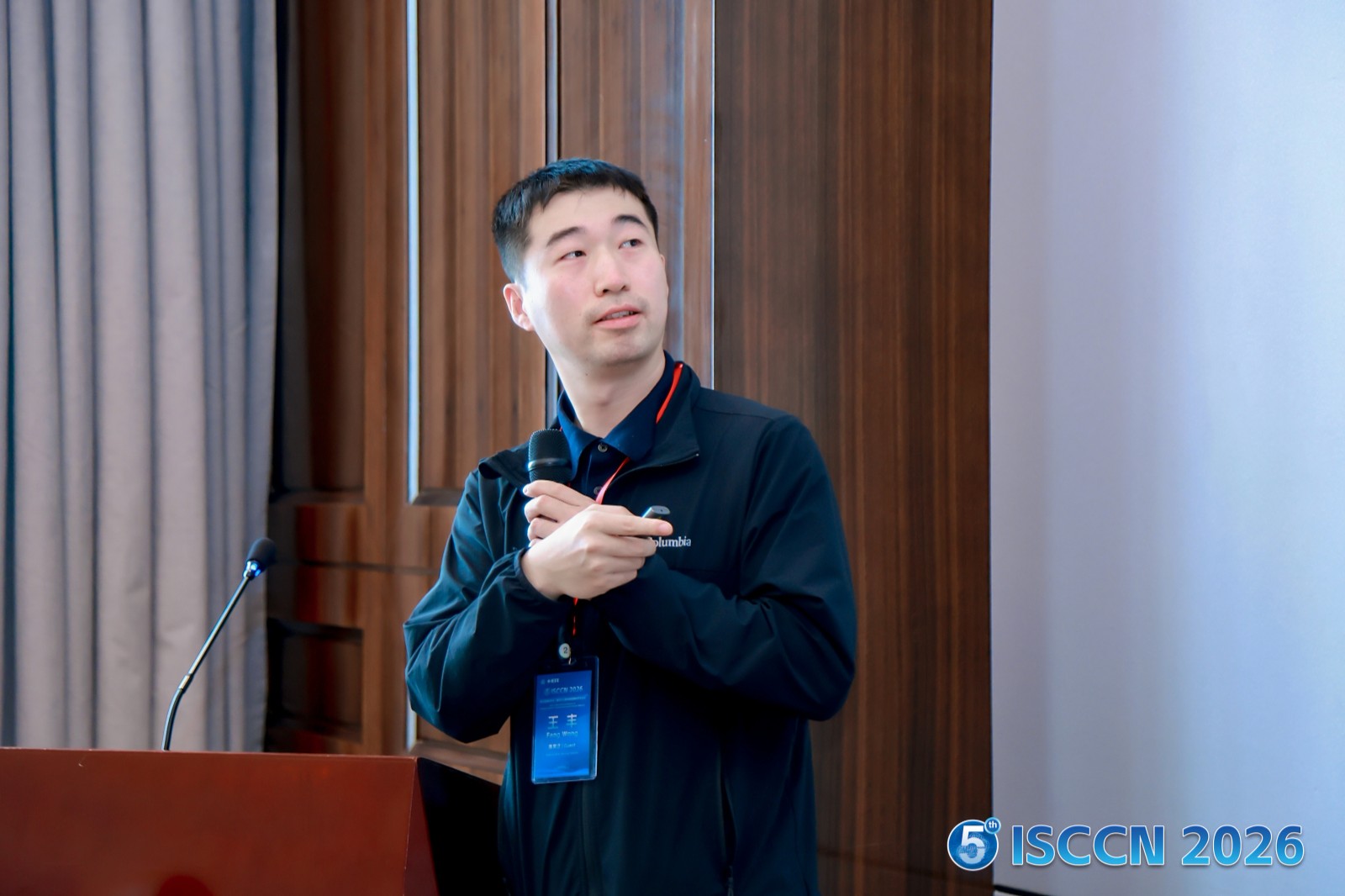
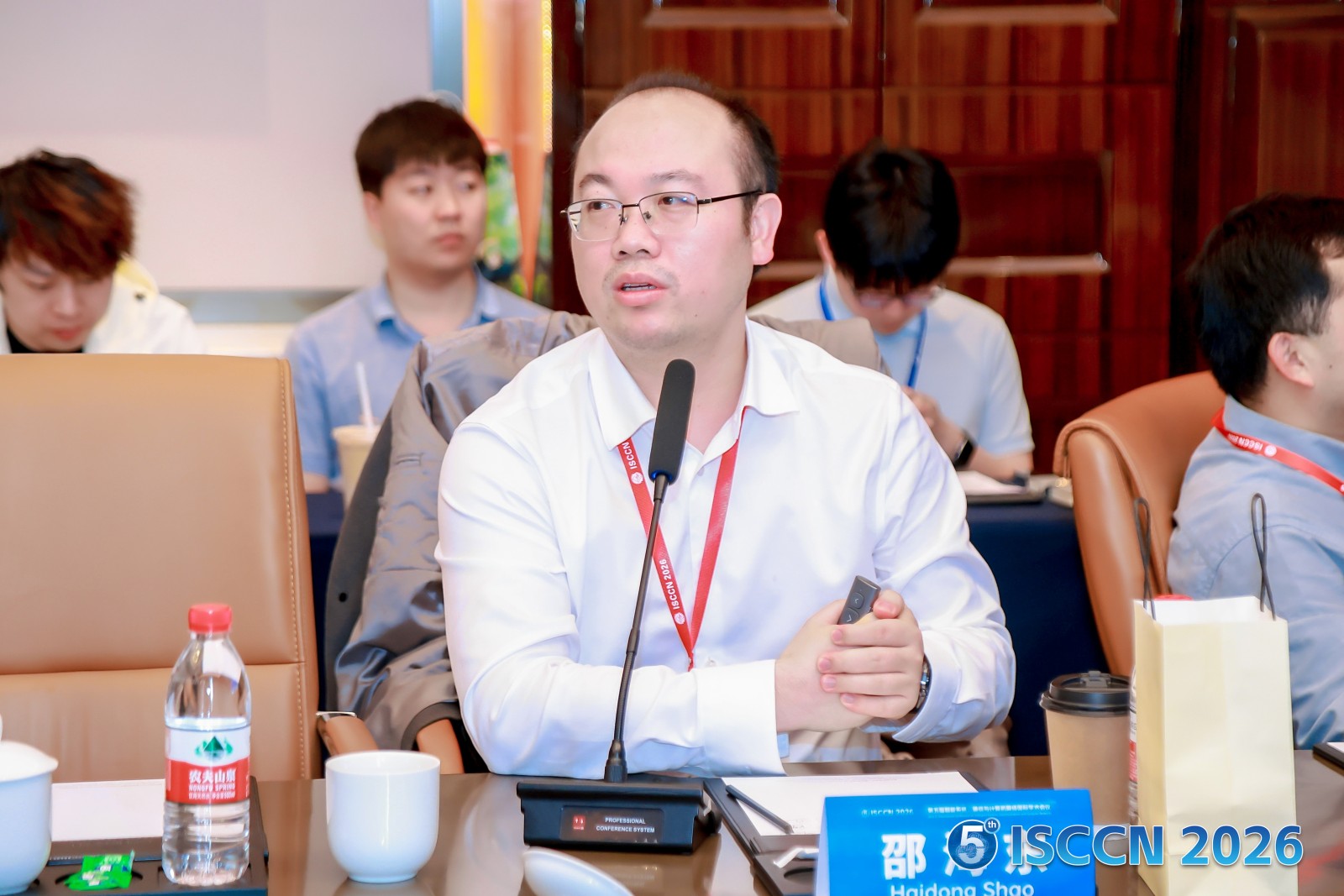
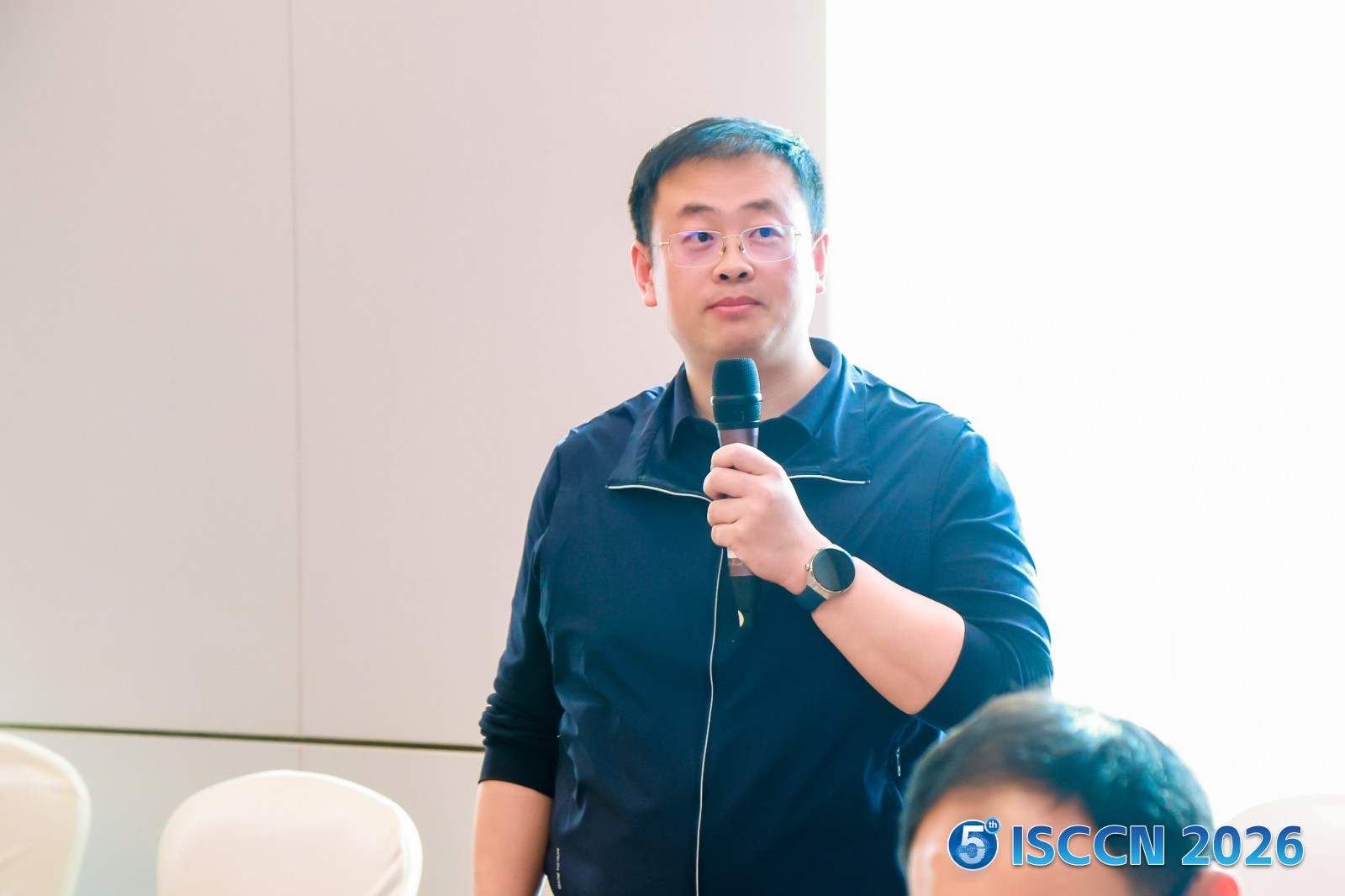
The conference also featured four specialized parallelSessions as well as aSession on embodied intelligence talent cultivation, covering research directions such as industrial AI, non-terrestrial autonomous networks, multi-domain recommendation algorithms, trustworthy fault diagnosis, network optimization, threshold cryptography, and magnetic-sensing human-machine collaboration.Session 1 invited Professor Li Xiang of Xi’an Jiaotong University and Researcher Wang Feng of the Singapore University of Technology and Design to deliver keynote reports;Session 2 invited Professor Zhuang Fuzhen of Beihang University and Associate Professor Shao Haidong of Hunan University;Session 3 invited Professor Yang Bo of Northwestern Polytechnical University and Associate Professor Li Zengpeng of Shandong University;Session 4 invited Associate Professor Chen Dongyao of Shanghai Jiao Tong University; and theSession on embodied intelligence talent cultivation featured a special presentation by Dr. Wei Liang from the Jiangsu Future Networks Innovation Institute. EachSession closely addressed academic frontiers and industry needs, and through in-depth discussion and exchange, effectively promoted knowledge integration and technological innovation in the field.
 |  |  |
 |  |  |
 |  |
To facilitate deeper integration of industry, academia, and research, the conference established a dedicated exhibition area for enterprises and scientific achievements on-site. Technology companies showcased their latest technological outcomes and product solutions at their booths, presenting frontier technologies and innovative products in areas such as intelligent systems, communication equipment, network security, and AI applications. Guests visited the exhibits and engaged in in-depth discussions, creating an efficient platform for technical matchmaking, achievement transfer, and university-enterprise cooperation beyond academic exchange, further strengthening the conference’s dual value of academic leadership and industrial empowerment.
A total of 10 awards were presented, including Excellent Paper, Excellent Poster, and Excellent Oral Presentation Awards, with the aim of building a platform for young researchers in the field to present and exchange ideas, while recognizing and encouraging the sharing and dissemination of innovative research results.
 |  |  |
Over the course of the two-day conference, the agenda was compact and efficient. From registration, opening and closing ceremonies, and keynote presentations to parallelSession discussions and booth exchanges, all sessions proceeded in an orderly manner and were successfully completed. Experts and scholars focused on academic frontiers, exchanged ideas, deepened cooperation, and jointly discussed key technologies, development trends, and challenges in intelligent systems, communication, and computer networks, building a high-level, international, and open platform for academic exchange, technological innovation, and talent cultivation.
With that,2026 5th International Conference on Intelligent Systems, Communications and Computer Networks (ISCCN 2026) concluded successfully. In the future, the conference will continue to uphold the principles of openness, innovation, integration, and sharing, consistently bringing together global wisdom and academic strength, deepening frontier research in intelligent systems and communication networks, promoting the transformation of scientific achievements and collaborative innovation among industry, academia, and research, and helping related disciplines achieve high-quality development and international academic exchange and cooperation at a new level.